
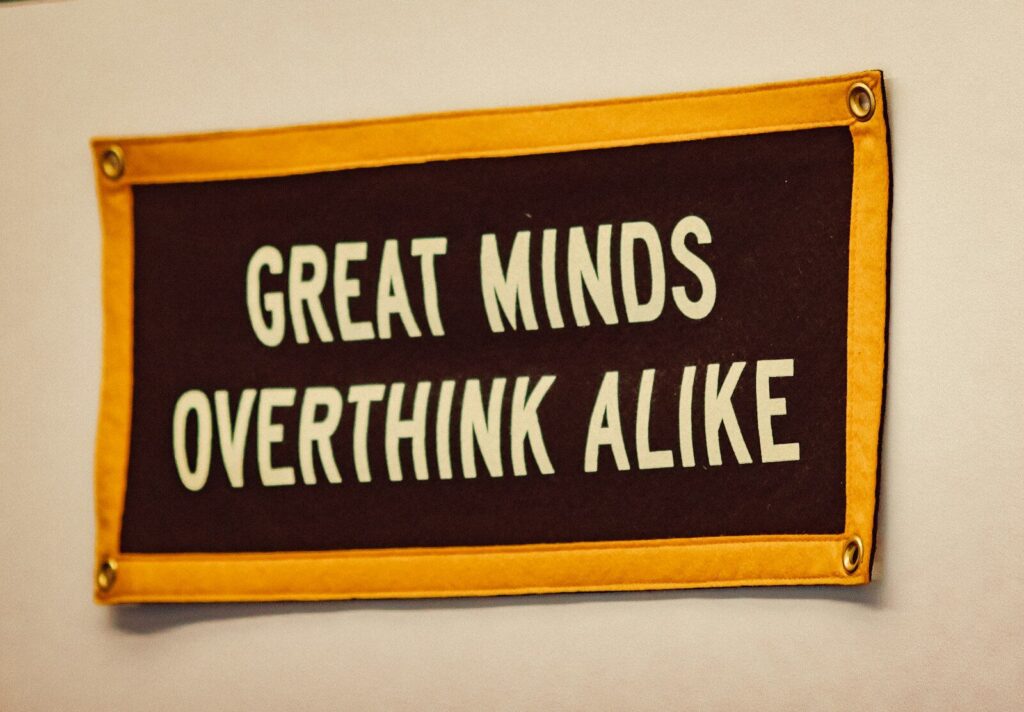
If you’re a creative person who overthinks everything, you know how exhausting it can be when your mind gets stuck in a loop of rumination. That repetitive cycle of brooding over thoughts — often negative or unresolved — can drain your energy and cloud your creativity. Overthinking doesn’t just slow down the creative process; it can also fuel feelings of anxiety and make it harder to focus or find joy in your work.
What if there was a way to gently guide your racing mind toward calm and clarity?
Low-stress digital products are emerging as thoughtful tools designed specifically for creative people like you who struggle with overwhelming thoughts. These products don’t add more noise or pressure; instead, they offer simple, intentional ways to manage rumination and support mental wellbeing.
From apps that help you externalize your swirling ideas through journaling, to mindfulness guides that encourage presence and ease, these digital tools create space for your creativity to breathe without the heavy weight of overthinking.
This article explores how low-stress digital products can become part of your toolkit for calming the inner chatter and reclaiming your creative flow.
Overthinking in Creative Minds
Creative minds are often vibrant playgrounds for ideas, but they can also become tangled webs of rumination—the repetitive and intrusive brooding over thoughts that seem to spin endlessly without resolution. This pattern of overthinking frequently links to heightened levels of anxiety and depression, making it difficult for creatives to find peace or clarity in their mental space.
“Rumination traps the mind in a cycle where negative thoughts replay on loop, increasing distress rather than solving problems.”
How Rumination Manifests in Creative Individuals
- Persistent mental replaying: Creatives may find themselves revisiting the same worries or doubts repeatedly, unable to shift focus.
- Emotional amplification: Small setbacks or uncertainties can feel overwhelming as thoughts spiral into “what if” scenarios.
- Self-critical inner dialogue: Perfectionism and harsh self-judgment fuel negative thinking loops, deepening feelings of inadequacy.
This kind of mental rumination doesn’t just wear on mood—it impacts how the brain performs.
Effects of Overthinking on Cognitive Function and Emotional Health
- Reduced problem-solving ability: When the mind is stuck cycling through worries, creative problem-solving suffers. It becomes harder to generate fresh ideas or see solutions clearly.
- Mental exhaustion: The constant chatter drains cognitive resources, leading to fatigue even before starting tasks.
- Emotional burnout: Persistent stress from overthinking can make emotional regulation more challenging, resulting in irritability, sadness, or withdrawal.
Creatives who experience this intense mental activity often face a trio of common challenges:
Challenges Faced by Creative Overthinkers
Procrastination:
Fear of making the “wrong” choice or not being perfect leads to delaying projects indefinitely.Perfectionism:
An all-or-nothing mindset causes dissatisfaction with anything less than flawless output, creating pressure that stifles progress.Imposter Syndrome:
Doubting one’s own abilities despite evidence of success is common, feeding into cycles of self-doubt and anxiety.
The interplay between these factors forms a tough barrier against productivity and satisfaction. For many creative individuals, managing these patterns requires tools that acknowledge the unique ways their minds work—and gently guide them toward calmer thought processes.
The Need for Low-Stress Digital Solutions
Creative overthinkers often reach for traditional productivity tools to manage their tasks and ideas, but these apps can unintentionally add to cognitive overload. Many popular tools are designed with a one-size-fits-all approach, emphasizing complex features, endless notifications, and multitasking capabilities. For someone whose mind is already racing or trapped in cycles of rumination, this abundance of input can feel more like noise than help.
Why traditional productivity tools may overwhelm overthinkers:
- Information Overload: Features like multiple project boards, detailed tagging systems, or constant reminders demand continuous decision-making. Each choice pulls mental energy, increasing stress rather than easing it.
- Pressure to Perform: Gamified metrics or strict deadlines within apps often trigger perfectionism and imposter syndrome. Instead of boosting confidence, users may feel judged by their own progress.
- Lack of Mindful Design: Many productivity platforms don’t encourage breaks or reflection. They push forward momentum without space for intentional pauses that interrupt negative thought spirals.
Breaking free from this cycle requires a shift toward intentional thought management—a practice where attention is steered purposefully rather than left wandering in anxiety-inducing loops. This is where digital solutions designed around mindfulness and simplicity shine.
The role of intentional thought management and mindfulness:
- Creating Mental Boundaries: Tools that prompt users to externalize thoughts—whether through journaling or focused tasks—help unload cognitive weight. Writing down worries or ideas removes them from the swirling mental cloud.
- Interrupting Ruminative Cycles: Mindfulness practices embedded in apps guide users to notice when they’re spiraling and gently redirect focus to the present moment.
- Encouraging Gentle Engagement: Rather than demanding high-effort output, low-stress products offer small, manageable actions that bring calm without pressure.
- Supporting Emotional Regulation: Breathing exercises, positive affirmations, or brief meditations integrated into digital experiences provide quick avenues to soothe anxiety and reset mental energy.
By prioritizing these qualities, low-stress digital products act as gentle companions rather than taskmasters. They create environments where creative minds can think clearly without being overwhelmed — essential for managing the complex relationship between creativity and overthinking.
Key Features of Effective Low-Stress Digital Products for Overthinkers
When it comes to Low-Stress Digital Products for Creative People Who Overthink Everything, certain features stand out as especially helpful in calming the mind and supporting mental clarity.
Engaging Yet Simple Focused Tasks
Overthinking often traps the mind in endless loops of worry or analysis. Digital tools designed with focused tasks can gently redirect attention without adding pressure. These tasks might include:
- Light puzzles that require just enough brainpower to engage but not overwhelm.
- Quick creative prompts, such as doodling or word associations.
- Mindful breathing exercises paired with visual guides.
These activities act as mental “breathers,” helping interrupt rumination by offering a manageable and enjoyable way to shift focus.
Journaling Features to Externalize Thoughts
Journaling apps tailored for overthinkers provide space to externalize swirling thoughts. Writing things down can reduce mental clutter and make worries feel less daunting. Effective journaling features often include:
- Prompted entries that guide users gently through reflection without demanding deep analysis.
- Easy-to-navigate interfaces avoiding complex menus or overwhelming options.
- Options for free-form writing or structured formats like gratitude lists or mood tracking.
Externalizing thoughts transforms hidden anxieties into visible words, which can be easier to manage and organize mentally.
“Putting my racing thoughts on a screen helps me see them more clearly and stop feeling trapped.”
Positive Affirmation Prompts to Interrupt Negative Thinking
Negative thought cycles are common for overthinkers and can fuel anxiety or self-doubt. Digital products that integrate positive affirmation prompts offer timely reminders to challenge unhelpful patterns. Examples include:
- Notifications with brief encouraging phrases tailored to creativity and self-compassion.
- Customizable affirmations users can create based on personal struggles.
- Visual or audio cues combining affirmations with calming imagery or sounds.
These gentle nudges help reframe mindset moments before negativity takes hold, fostering a kinder internal dialogue.
Combining these key features creates an inviting digital environment where creative minds prone to overthinking can find relief without added complexity. Tools that encourage simple engagement, thoughtful expression, and positive mental shifts provide a foundation for healthier thought patterns while respecting the unique challenges faced by this audience.
Tailoring Digital Products for Neurodivergent Creatives Who Overthink
Creative minds with ADHD or other forms of neurodivergence often experience overthinking in ways that differ from neurotypical patterns. Their thought processes may be rapid, nonlinear, and fueled by bursts of hyperfocus, making rumination particularly intense and sometimes overwhelming. Designing digital tools for this group means recognizing these unique cognitive rhythms and meeting them where they are.
Unique Considerations for Neurodivergent Overthinkers
Need for Quick Mental Shifts
Individuals with ADHD often find it challenging to stay stuck on one thought for long periods but also struggle to disengage from repetitive negative loops. Digital products should enable rapid shifts through brief, digestible activities that snap the mind out of rumination without demanding sustained attention.
Sensory Sensitivities and Interface Simplicity
Overstimulating visuals or complicated interfaces can increase stress and cognitive overload. Clean layouts, muted color schemes, and minimalistic design help reduce anxiety and make the tool more approachable.
Flexible Timing and Pacing
Rigid timers or strict routines can backfire, triggering resistance or frustration. Offering customizable pacing lets users adapt the experience to their current mental state—whether they need a quick distraction or a longer reflective session.
Encouragement of Movement and Physical Engagement
For many neurodivergent creatives, incorporating physical actions — like tapping prompts, guided stretches, or breathing exercises — helps ground wandering thoughts. This multisensory approach interrupts rumination more effectively than passive screen time alone.
Breaking Rumination With Small Practical Actions
Breaking the cycle of overthinking requires gentle nudges toward doing rather than just thinking. Small wins matter tremendously:
Micro Tasks and Step-by-Step Guidance
Simple tasks broken into tiny steps, such as listing three things you’re grateful for or jotting down just one idea without editing, reduce overwhelm. This encourages momentum without triggering perfectionism.
Conscious Dismissal of Unhelpful Thoughts
Digital products can integrate prompts that teach users to notice negative thought patterns without engaging them deeply. Techniques like labeling a thought as “just a worry” or using playful animations to “shake off” stress build healthy mental boundaries over time.
Reinforcement Through Positive Feedback
Celebrating each small action—no matter how minor—boosts motivation. Gamified elements like badges or encouraging messages help sustain engagement while reinforcing progress against rumination.
“I noticed my mind spiraling again,” a user might journal after a prompt designed to catch repetitive thinking early. Then the app suggests a quick grounding exercise—a five-finger tapping routine—that physically anchors attention away from mental loops.
Promoting Conscious Thought Management
Neurodivergent creatives benefit when digital products foster awareness around their thinking habits:
- Visual trackers displaying mood shifts help users see patterns across days.
- Reminders to pause before reacting cultivate mindfulness.
- Educational snippets about how ADHD affects cognition promote self-compassion instead of self-blame.
By embracing these tailored strategies, low-stress digital tools become more than just apps; they transform into supportive companions empowering neurodivergent creatives to gently steer their minds away from exhausting overthinking toward clearer, calmer creativity.
Examples of Low-Stress Digital Products Beneficial for Overthinkers
Finding the right digital tools can make a meaningful difference in managing overthinking, especially for creative minds craving simplicity and calm. Here are some user-friendly guided journaling apps and mindfulness apps crafted to help reduce stress and gently redirect mental energy.
Guided Journaling Apps
1. Day One
This app offers an elegant, distraction-free interface that encourages daily reflection without overwhelming the user with options. It provides gentle prompts designed to spark thoughtful journaling, helping users externalize repetitive thoughts and gain clarity. The ability to add photos and audio entries supports various creative expressions, making it appealing for artists, writers, and other creatives.
2. Reflectly
Tailored specifically for mental wellbeing, Reflectly uses AI-powered prompts that ask positive, open-ended questions. These encourage users to focus on gratitude and achievements rather than dwelling on worries or negative self-talk. Its minimalist design reduces cognitive load, which is vital for those prone to rumination.
3. Journey
Journey combines journaling with mood tracking features, allowing users to spot patterns in their thoughts and emotions over time. The app includes inspirational quotes and mindfulness reminders that can help interrupt negative thought cycles—a useful nudge when overthinking starts spiraling.
Mindfulness Apps Offering Meditation Guidance
1. Headspace
Known for its approachable style, Headspace guides users through short meditation sessions focusing on breathing techniques, body scans, and mindful awareness. Its library includes specific programs targeting anxiety and stress relief—perfect for creatives who need quick mental resets during busy or overwhelming days.
2. Calm
Calm provides a wide range of meditations along with soothing soundscapes like rain or forest sounds that help ground the mind. The app features “Daily Calm” sessions which offer brief but consistent opportunities to practice mindfulness, ideal for breaking ruminative patterns without demanding too much time or effort.
3. Insight Timer
Offering thousands of free guided meditations from various teachers worldwide, Insight Timer caters to diverse preferences. Users can select sessions by length, theme (such as stress reduction or creativity boost), or technique (mindfulness, loving-kindness). This flexibility allows creative overthinkers to customize their mindfulness journey according to personal needs.
Additional Features That Support Overthinkers
Some apps blend journaling with mindfulness techniques:
Moodnotes helps users capture their thoughts while providing cognitive behavioral therapy (CBT) inspired prompts. It encourages recognition of thinking traps like catastrophizing or black-and-white thinking—common tendencies in overthinkers—and suggests healthier perspectives.
Sanvello combines mood tracking, guided journeys (including CBT and mindfulness), and community support within a single platform. This multifaceted approach offers creative individuals tools to not only manage their thought patterns but also build resilience against emotional burnout.
Each of these digital products prioritizes low-stress engagement, ensuring that creative overthinkers don’t feel pressured by complicated interfaces or excessive notifications. They foster intentional pauses where users can step away from swirling thoughts and regain focus with ease.
Benefits of Using Low-Stress Digital Products for Creative Overthinkers
Creative minds that tend to overthink can gain significant advantages by incorporating low-stress digital products into their daily routines. These tools are designed specifically to address the unique mental patterns of overthinkers, offering tangible benefits such as reduced anxiety and improved focus. Here’s how:
Breaking Negative Thought Patterns to Lower Anxiety Levels
Overthinking often traps creative individuals in repetitive cycles of negative thoughts and worries. Low-stress digital products intervene by:
- Interrupting negative spirals through engaging, simple activities like puzzles or mindfulness exercises.
- Offering guided journaling prompts that encourage externalizing thoughts, making them feel less overwhelming.
- Including positive affirmations that help reframe negative self-talk and cultivate a gentler internal dialogue.
These features work together to disrupt rumination, which can otherwise amplify feelings of anxiety. By shifting attention away from distressing thought patterns and toward manageable actions, these apps help soothe the mind and create space for calmness.
“When my mind feels like it’s running in circles, using a journaling app with stress-reducing prompts helps me slow down and see things more clearly.” — A creative user
Enhancing Focus and Productivity with Manageable Tasks
Creative overthinkers often struggle with starting or completing projects due to perfectionism and mental exhaustion. Low-stress digital products tackle this challenge by:
- Breaking tasks into small, achievable steps that feel less intimidating.
- Providing gentle reminders or timers that encourage consistent progress without pressure.
- Designing interfaces that are intuitive and minimalistic, reducing cognitive overload.
This approach fosters sustained focus by preventing overwhelm and making productivity feel doable rather than daunting. Users report feeling more motivated and accomplished when they can chip away at projects at their own pace.
Supporting Emotional Wellbeing Through Consistency
Regular interaction with low-stress digital tools creates a rhythm of self-care and intentional thought management. The cumulative effect includes:
- Improved emotional regulation as users learn to catch unhelpful thoughts early.
- A growing sense of control over mental clutter, which contributes to greater peace of mind.
- Reinforcement of healthy habits like mindfulness and gratitude, which buffer against burnout.
Low-stress digital products become companions rather than chores—offering support tailored to the ebb and flow of creative energy.
The benefits described highlight why Low-Stress Digital Products for Creative People Who Overthink Everything are becoming essential allies in managing the unique mental landscape of creative overthinkers. Embracing these tools can transform moments of mental chaos into opportunities for calm clarity and productive flow.
When it comes to picking digital tools that help manage overthinking, the key lies in simplicity and personalization. Apps designed with a user-friendly design make a huge difference because they don’t add to the mental clutter or overwhelm you with complicated features. An intuitive interface means less time figuring out how to use the app and more time actually benefiting from it.
Here are some tips to keep in mind when choosing your go-to digital product:
- Look for clean, minimal layouts: Avoid apps loaded with flashy animations or endless menus. A straightforward interface helps keep your focus where it matters—on managing your thoughts without distraction.
- Prioritize ease of navigation: Features should be easy to find, with clear labels and logical flow. If you have to hunt around trying to figure out where things are, that’s extra stress you don’t need.
- Customization options matter: Every creative mind thinks differently. Apps that allow you to tailor settings based on your own thought patterns can support your unique needs better than one-size-fits-all solutions.
- Adjust prompts and reminders: Some people respond well to frequent gentle nudges; others prefer fewer interruptions. The ability to customize notification frequency and tone can help keep engagement positive rather than intrusive.
- Flexible journaling or note-taking styles: Whether you prefer bullet points, free writing, or guided prompts, choose tools that let you capture your thoughts in a way that feels natural.
- Personalize task difficulty and duration: Low-stress digital products often include puzzles or exercises. Being able to adjust complexity ensures these activities stay enjoyable instead of becoming frustrating challenges.
- Support multiple formats: Sometimes a mix of text, voice memos, or visual elements like sketches is helpful for externalizing thoughts. Look for apps offering diverse input methods.
It’s worth taking the time to try different products and explore their settings. What feels overwhelming for one person might feel perfectly manageable for another. The best digital tool is one that fits seamlessly into your mental routine, encouraging calm reflection without adding pressure.
Apps built around intentional thought management prioritize this balance by blending simplicity with thoughtful customization—helping creative overthinkers create their own mental space where ideas flow freely instead of getting stuck in loops of worry.
Conclusion
Low-Stress Digital Products for Creative People Who Overthink Everything opens up new possibilities for managing overthinking digitally while supporting creative wellbeing. These tools offer gentle guidance to untangle the web of rumination without adding pressure or complexity.
Keep in mind:
- Choose digital solutions that feel like a supportive companion, not another task on your to-do list.
- Use apps and tools mindfully, setting boundaries so technology serves your mental health rather than overwhelming it.
- Embrace customization to tailor experiences that resonate with your unique thought patterns and creative flow.
- Combine digital support with real-world practices like journaling, mindfulness, and movement for holistic care.
Your creative mind deserves space to breathe and create freely. Thoughtful use of low-stress digital products can be a helpful part of that journey—encouraging calm, focus, and joyful expression amidst the ebb and flow of overthinking.