
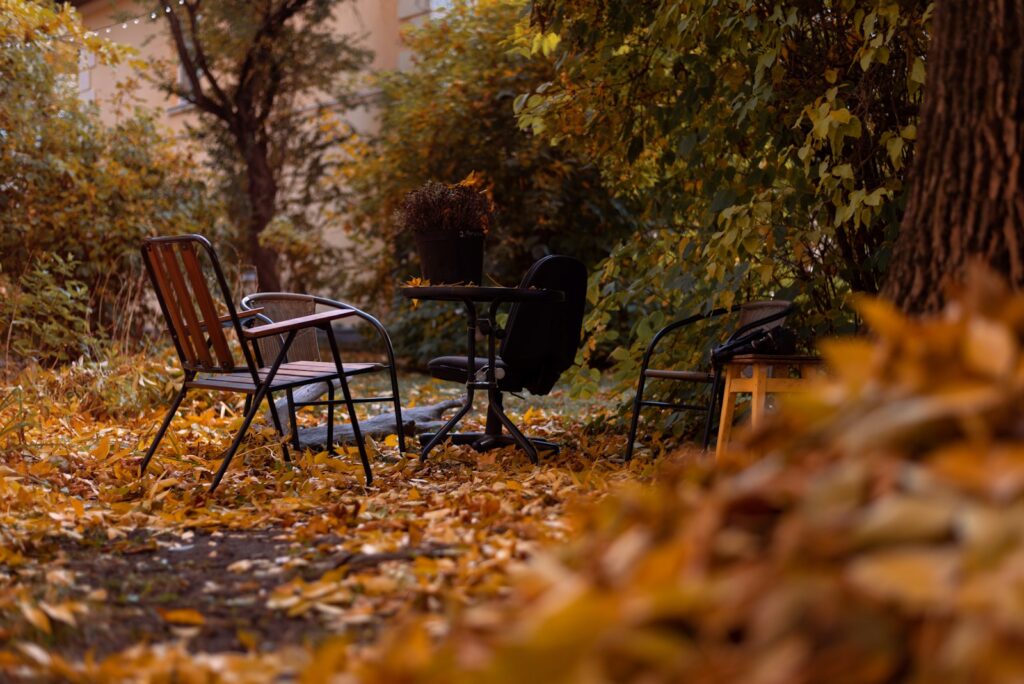
Celebrate the timeless role of nature as an endless source of artistic inspiration. From the flutter of a butterfly’s wings to the intricate patterns on a fallen leaf, natural surroundings invite creativity without limits.
Creativity doesn’t have to be a faraway quest—sometimes the richest sources lie just outside your doorstep. Embracing backyard creativity unlocks a world where everyday sights and sounds spark imagination and fuel artistic expression.
Natural elements engage all the senses, igniting ideas through:
- The vibrant colors of blooming flowers
- The varied textures of bark, petals, and stones
- The calming rustle of leaves and bird songs
This sensory experience awakens curiosity and invites artists to explore, experiment, and see their environment as a living canvas full of possibilities.
The Beauty of Nature as an Artistic Muse
Nature’s untouched beauty serves as an endless source of inspiration for artists, captivating with its raw and unfiltered essence. Here are some key points to consider:
1. Exploring Natural Beauty
Delve into the unspoiled charm of natural surroundings, where every detail holds a story waiting to be told.
2. Inspiring Elements
From the vibrant hues of blooming flowers to the intricate textures of tree bark, nature offers a rich tapestry of elements that ignite artistic creativity.
3. Interpretation by Artists
Artists translate these natural wonders into their work through diverse mediums and styles, infusing pieces with their unique perspectives and emotions.
By immersing oneself in nature’s artistic muse, one can unlock endless opportunities for creative expression.
Immersing Yourself in Your Backyard Environment
Being in nature lets us experience the world through our senses, which helps us be more creative and mindful. To make the most of this, try slowing down and really looking at what’s around you:
- Pay attention to the different shades of green in leaves, the texture of bark, or the way a spider’s web glistens.
- Observe how shadows move with the wind or how sunlight passes through flower petals at various times of the day.
Using all your senses can greatly enhance how you see things artistically:
- Feel the coolness of dew on grass or the smooth shape of a rock.
- Listen closely to birds singing, leaves rustling, or water flowing in the distance.
- Inhale deeply and take in the smell of wet earth after rain or the sweet scent of flowers in bloom.
When you’re feeling stuck creatively, try using mindfulness as a way to get past it. Find a quiet spot to sit and simply soak in your surroundings without judging anything. Allow your thoughts to wander freely in this natural environment. Often, just being present can lead to new ideas and different ways of looking at things, making your backyard an endless wellspring of inspiration.
Finding Inspiration Close to Home
Finding Artistic Inspiration in Your Own Backyard often begins with exploring accessible natural spaces nearby. Local parks, a backyard garden, or even nearby nature walks serve as perfect daily retreats for creative exploration. These familiar spots reveal fresh perspectives when visited regularly.
1. Identify your go-to nature spots
A quiet corner of your garden, a tree-lined path in the park, or a small stream on a neighborhood walk.
2. Tune into seasonal changes
Watch how blossoming flowers in spring, the fiery colors of autumn leaves, or the serene stillness of winter snow influence moods and themes for your art.
3. Practice simple activities
Walking mindfully while observing shifting light, fluttering leaves, or bird movements captures fleeting moments that invite spontaneous artistic ideas.
These everyday encounters invite an intimate connection with nature’s rhythms—fueling creativity without needing grand adventures.
Using Natural Objects as Creative Tools
Nature provides a wide range of natural materials that are perfect for sparking artistic exploration. By collecting items such as leaves, petals, and stones, you can open up a world of possibilities for study and experimentation. Each object has its own unique story told through its shape, color, and texture.
Here are some ways you can use natural objects in your art:
- Leaves: The veins of leaves create intricate patterns that are ideal for rubbing or pressing into clay.
- Petals: The delicate hues and softness of petals can inspire gentle brushwork or layers in collage.
- Stones: The varied surfaces and weights of stones invite tactile interaction or printing effects.
Incorporating these textures into your artwork—whether it’s mixed media, sculpture, or printmaking—adds depth and authenticity that artificial tools often lack. By embracing the imperfections found in organic materials, you can transform them from mere objects into collaborators in the creative process. Instead of trying to control nature’s artistry, celebrate it by allowing rough edges, fading colors, or natural wear to become unique marks in your work.
Experimenting with these elements encourages intuitive play and leads to unexpected results, which can fuel new ideas while also deepening your connection to the environment around you.
Capturing Nature Through Photography
Nature photography offers a powerful way to capture the beauty of natural surroundings. By using photography as a tool, artists can freeze moments in time, preserving them for future creative inspiration.
Documenting Inspiring Scenes
One of the primary uses of nature photography is to document inspiring scenes that can be referenced later. Whether it’s a breathtaking landscape, a vibrant flower, or an intricate animal behavior, these photographs serve as visual reminders of the wonders found in nature. Artists can revisit these images whenever they need a boost of creativity or seek to recreate the magic they experienced in person.
Experimenting with Lighting and Times of Day
Lighting plays a crucial role in setting the mood of any photograph. By experimenting with different lighting techniques and shooting during various times of day, photographers have the opportunity to evoke different emotions through their images. For instance:
- Capturing sunrise or sunset shots can create a sense of warmth and tranquility.
- Shooting under overcast skies may convey a feeling of melancholy or mystery.
- Utilizing harsh midday light can add drama and intensity to certain scenes.
These intentional choices regarding lighting and timing allow artists to communicate specific moods and atmospheres within their work.
Creating Mood Boards from Photos
In addition to serving as references for color choices, photographs can also be used to create mood boards that guide composition decisions. A mood board is a collage-like arrangement of images that conveys a particular style or concept. By gathering together various nature photographs that resonate with them, artists can establish an overall aesthetic direction for their projects.
When creating mood boards from photos, it’s important to consider:
- The colors present in each image
- The framing and angles used
- The placement of subjects within the frame
These elements will ultimately influence how artists approach their own compositions and ensure consistency throughout their body of work.
Through photography, artists have the ability to capture not only what they see but also how it makes them feel.
Reflection and Meditation in Nature for Creativity
Nature provides a peaceful setting for reflection and meditation, which can greatly enhance our creative abilities.
1. Clearing the Mind
Taking time to be alone in nature helps us clear our minds and find inner peace, making room for new ideas to grow.
2. Enhanced Creative Thinking
Relaxing in nature allows us to connect more deeply with our environment, creating an ideal space for improved creative thinking and inspiration.
3. Incorporating Meditation
You can easily incorporate mindfulness meditation techniques into your artistic routine, helping you stay present and allowing creativity to flow naturally.
Journaling and Sketching as Tools for Artistic Growth
Keeping a journal or sketchbook can be a powerful tool for artists looking to grow and develop their craft. By recording observations, thoughts, and emotions in these personal spaces, artists can gain a deeper understanding of themselves and the world around them.
Maintaining Journals or Sketchbooks
One of the key benefits of art journaling and sketching is the ability to capture fleeting moments and experiences. Whether it’s a beautiful landscape, an interesting character, or a thought-provoking conversation, these mediums allow artists to document their surroundings in a way that words alone cannot.
Using Written and Visual Notes
In addition to capturing external stimuli, journals and sketchbooks also provide a space for artists to explore their own interpretations. By combining written notes with visual sketches, artists can develop unique perspectives and ideas that may not have been apparent at first glance.
Overcoming Creative Blocks
Creative blocks are something every artist faces at some point in their journey. However, by revisiting past entries in their journals or sketchbooks, artists can find inspiration in recorded ideas and experiences. This process of reflection can help break through mental barriers and reignite the creative spark.
Journaling and sketching are valuable practices for artists seeking growth. By maintaining these records of observation and emotion, artists can cultivate their creativity, overcome obstacles, and ultimately develop a more authentic artistic voice.
Experimenting with Nature-Inspired Materials and Colors
Nature’s color palette offers endless inspiration—from the soft pink of morning to the vibrant oranges and purples of evening. Artists using this wide range of colors can bring a new energy to their work by accurately representing these natural shades.
Exploring New Creative Possibilities
Experimenting with different materials opens up new creative opportunities. Consider incorporating:
- Leaf imprints for interesting texture contrasts
- Pressed petals as delicate overlays
- Rough bark fragments for added depth
These elements bring in organic shapes and imperfections that challenge traditional methods, encouraging playful exploration.
Embracing Mistakes as Opportunities
Welcoming mistakes becomes an essential part of this process. A smudged leaf print or an uneven color blend often leads to unexpected discoveries. These “happy accidents” reveal unique textures and patterns that enhance artwork beyond what was initially planned.
Inviting nature’s materials and colors into your artistic practice turns creativity into an exciting adventure—full of surprises waiting to be discovered.
Connecting Emotionally with Nature
Creating an emotional connection with your surroundings turns art from mere imitation into a personal narrative. Engaging your senses deepens this connection—touching the rough bark of a tree, inhaling the earthy scent after rain, listening to birds singing at dawn—all these experiences ignite unique creative energy. By immersing yourself in these moments, your artwork conveys genuine emotions instead of superficial appearances.
How Nature Influences Artists
Many artists discover that their truest expressions arise from emotionally responding to nature’s moods and moments. For instance:
- A wilting flower might evoke sad tones.
- Vibrant leaves can spark bursts of joyful colors.
This emotional conversation fosters a personal creativity that is deeply rooted in one’s immediate environment.
Finding Inspiration in Familiar Places
Seeing your backyard as Nature’s Masterpiece encourages a personalized approach where well-known scenes unveil countless subtleties. Each visit becomes an opportunity to perceive familiar places through fresh perspectives, allowing emotions and senses to steer the artistic journey in surprising and significant ways.
Conclusion
The backyard inspiration shows how your immediate surroundings can be a rich and accessible source of artistic inspiration. You don’t have to go on extravagant adventures when nature’s wonders are right outside your door, offering endless opportunities to ignite your creativity.
Tips to keep your creativity flowing:
- Explore local natural settings regularly, paying close attention to colors, sounds, and textures.
- Practice mindful creativity by fully engaging your senses and emotions during these encounters.
- Treat your backyard as a living studio where every leaf, stone, or breeze can inspire new ideas.
Nurturing creativity through mindful engagement transforms ordinary moments into artistic fuel. Your own backyard becomes not just a place, but a source of continuous wonder and expression—truly Nature’s Masterpiece.